

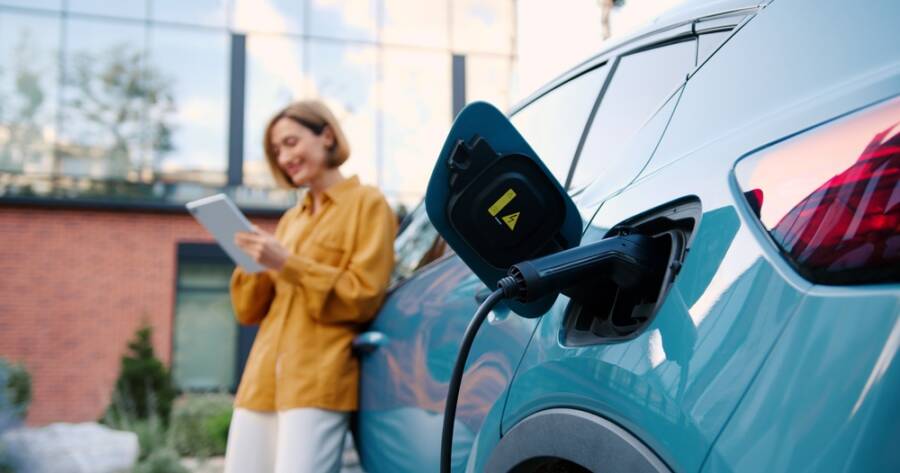
Choosing between a hybrid and an electric vehicle can feel like a major decision, especially as more drivers look for efficient and environmentally conscious options. Both offer clear advantages, from reduced fuel costs to lower emissions, but each fits different lifestyles and driving habits. Understanding how they work and what they offer helps narrow the choice. With the right match, drivers can enjoy improved efficiency, long-term savings, and a more modern driving experience.
What Is a Hybrid Vehicle?
Hybrid vehicles combine a traditional gas engine with one or more electric motors, working together to improve efficiency and reduce fuel consumption. The system automatically switches between power sources or uses both simultaneously, depending on driving conditions. This allows hybrids to operate more efficiently, especially in stop-and-go traffic.
One of the biggest advantages is that hybrids don’t require charging infrastructure, as the battery recharges through regenerative braking and the engine itself. This makes them easy to adopt for drivers who want improved fuel efficiency without changing driving habits. For many, hybrids offer a practical step toward more efficient transportation.
What Is an Electric Vehicle?
Electric vehicles (EVs) run entirely on electricity, using a rechargeable battery to power an electric motor. Without a traditional engine, they produce zero tailpipe emissions and operate much more quietly. Their design also includes fewer moving parts, which can reduce maintenance needs over time.
EVs are known for their instant torque, delivering quick acceleration and a smooth driving experience. Charging can be done at home or through public charging stations, though availability varies by location. For drivers ready to move away from fuel entirely, EVs offer a cleaner and more modern alternative.
Key Differences in Performance and Driving Experience
The driving experience between hybrids and EVs can feel noticeably different. EVs provide immediate power delivery, resulting in faster acceleration and a smoother ride. Their quiet operation also adds to a more refined driving experience. Hybrids, while efficient, still rely partly on a gas engine, which creates a more traditional feel.
Hybrids excel in flexibility, seamlessly switching between power sources without requiring driver input. EVs, on the other hand, rely entirely on battery range, which may require more planning for longer trips. Choosing between them often depends on whether performance and simplicity or flexibility and familiarity are more important.
Cost, Maintenance, and Long-Term Value
Upfront costs for EVs are often higher due to battery technology, but long-term savings can offset the initial investment. Electricity is typically cheaper than fuel, and fewer moving parts mean reduced maintenance costs over time. There’s no need for oil changes or many of the common services required by traditional engines.
Hybrids tend to have lower upfront costs and still offer improved fuel efficiency compared to gas-only vehicles. However, their dual powertrain can make maintenance more complex. Evaluating total ownership costs—including fuel, maintenance, and potential incentives—helps determine which option provides better long-term value.
Charging, Range, and Everyday Convenience
Charging infrastructure plays a major role in deciding between hybrid and electric vehicles. EVs require access to charging stations, whether at home or in public locations. While charging networks continue to expand, availability can vary depending on the area, which may affect convenience.
Hybrids eliminate range concerns by relying on fuel when needed, making them more practical for long-distance driving or areas with limited charging options. Plug-in hybrids offer a middle ground, allowing short electric-only trips while retaining a gas backup. Lifestyle and daily driving patterns often determine which option feels more convenient.
Environmental Impact and Future Trends
Electric vehicles have a clear advantage when it comes to reducing emissions, producing no tailpipe pollution during operation. As energy sources become cleaner, the overall environmental impact of EVs continues to improve. They represent a significant step toward more sustainable transportation.
Hybrids still rely on fuel but reduce emissions compared to traditional vehicles. Their smaller batteries also require fewer resources to produce. As technology advances, both options continue to improve, but EVs are increasingly seen as the long-term direction for the automotive industry. Considering environmental priorities can help guide the decision.
Choosing the Option That Fits Your Lifestyle
The right choice between hybrid and electric vehicles depends on how and where a vehicle is used. Daily commute distance, access to charging, and driving habits all play a role in determining the best fit. Some drivers value the flexibility of hybrids, while others prefer the efficiency and simplicity of EVs.
Taking time to evaluate priorities helps ensure a better long-term decision. Both options offer meaningful benefits, and either can provide improved efficiency and lower operating costs. With the right match, drivers can enjoy a more efficient, modern, and environmentally conscious driving experience.